
Budgeting for window replacement gets a lot easier once you understand what actually moves the price up or down. Window replacement can improve the look and feel of your home, increase its value, and reduce your energy bills — energy-efficient windows alone can save homeowners an average of $352 a year on power bills. But before you start shopping, it helps to understand what actually drives the cost of a project up or down.
What Affects Your Total Cost
Frame material is one of the biggest cost factors. Vinyl is generally the most affordable option and offers excellent energy efficiency with very little maintenance. Wood costs more and requires more upkeep, but offers a classic look many homeowners want. Fiberglass sits at a higher price point too, but its durability and resistance to extreme heat and cold — with less thermal transfer than vinyl — can make it worth the difference for some homeowners. Clad-wood windows, which pair a wood interior with an aluminum or vinyl exterior, offer a middle ground: the classic look of wood with lower long-term maintenance costs.
Glazing and the Cost-to-Savings Tradeoff
Double-pane glass costs more than single-pane but meaningfully reduces drafts and energy bills, making it the standard choice for most replacement projects today. Triple-pane glass costs more still, but offers even better temperature regulation, energy savings, noise resistance, and protection against condensation between panes — worth considering if you’re in a particularly cold or noisy spot, though the extra upfront cost takes longer to pay back through savings alone.
Installation Method Affects Cost Too
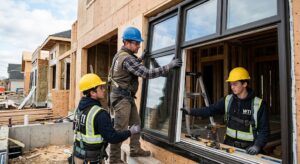 Whether your project needs a full-frame installation or a more affordable pocket (insert) installation depends on the condition of your existing frames — full-frame is necessary for older homes with rotting frames or moisture issues, but it’s also the more expensive option. For a deeper look at that decision, see our guide on full-frame vs. pocket window replacement.
Ways to Keep Costs Down
Standard sizes and styles cost less than heavily customized windows, so sticking with common dimensions can meaningfully reduce your total project cost. It’s also worth getting quotes from multiple companies to compare pricing and product quality before committing. If you’re finishing a basement, keep in mind that egress windows are a required investment, not optional — but the added bedroom or living space they enable can offset that cost through increased home value.
What a Reputable Company Should Offer
Look for a local company with extensive product options and strong customer reviews, along with a warranty that covers products, parts, and labor — ideally one that’s transferable, which benefits any future owner if you sell your home. A reputable company also means fewer headaches during installation and better protection against costly issues like water damage, rot, or poor energy performance down the road.
Budgeting for Window Replacement Starts With a Quote
Murray Window Replacement can help you find the right windows for your budget and your home’s specific needs. Contact us or call (385) 786-6447 to schedule a consultation.