
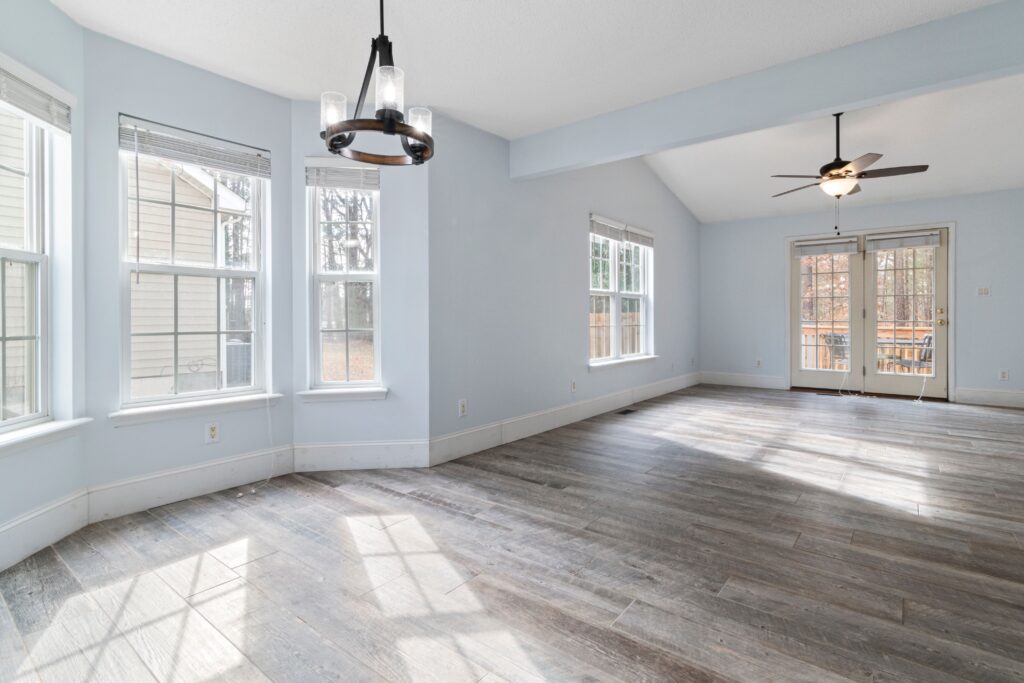
Knowing how to budget for window replacement makes a big project feel manageable instead of overwhelming. New windows are a major investment, but with the right plan you can control costs, spend where it matters most, and avoid surprises. Here’s how Murray homeowners can plan and pay for professional window replacement services without stretching their finances.
What Drives the Price
Your total cost depends on how many windows you replace, their size and style, the frame material, the glass package, and the installation method. Custom sizes and shapes cost more than standard ones, and full-frame installation costs more than insert installation because it involves more labor and materials. Knowing these factors helps you decide where to save and where to spend.
Prioritize the Windows That Need It Most
When you budget for window replacement, you don’t always have to replace every window at once. Start with windows that are failing: ones with rot, broken seals, drafts, or sashes that won’t open or lock. Bedrooms that need code-compliant egress openings may also move to the top of the list.
If you phase the project, replace windows one side of the house at a time so each elevation looks consistent. Keep in mind that splitting a project into several smaller jobs can cost more per window than doing it all at once, so ask your contractor to price both options.
Choose Where to Spend and Where to Save
Frame material is one of the biggest cost levers. Affordable vinyl replacement windows deliver solid insulation and low maintenance at a lower price than wood, fiberglass, or clad-wood options, which makes them a popular choice for budget-conscious homeowners.
Glass is often the better place to invest. Low-E coatings and insulated glass have a direct effect on comfort and utility bills, especially on south- and west-facing windows that take the brunt of Murray’s summer sun. Upgrading to energy-efficient replacement windows on those elevations can deliver more value than upgrading every window in the house.
Check the Current Status of Tax Credits and Rebates
Many older articles still say new windows qualify for a federal tax credit. That’s no longer true for new projects. The federal energy efficient home improvement credit doesn’t apply to property placed in service after December 31, 2025, according to the IRS instructions for Form 5695. If you installed qualifying windows in 2025, talk with a tax professional about whether you can still claim that year’s credit.
Rebate programs change often, so check with your local utility providers before you buy. If a rebate is available, find out which product ratings it requires before you choose your windows.
Explore Your Financing Options
If you’d rather not pay for the whole project upfront, common options include:
- Home equity loans or lines of credit, which often carry lower interest rates
- Personal loans, which don’t use your home as collateral
- Contractor financing, which can be convenient but should be reviewed carefully
- Savings set aside over time for a phased project
With any promotional financing, read the terms closely. Some deferred-interest offers charge interest back to the start date if the balance isn’t paid in full by the deadline.
Get Quotes You Can Actually Compare
An accurate budget starts with accurate quotes. Ask each company for an itemized written estimate that lists the window brand and product line, frame material, glass package, installation method, trim and disposal, and warranty terms. Compare quotes line by line so you’re weighing the same scope of work, not just the bottom number.
How to Budget for Window Replacement With Confidence
The smartest way to budget for window replacement is to replace the windows that need it most, invest in glass where the sun hits hardest, and compare itemized quotes before you commit. With a clear plan, you get better comfort and efficiency without overspending.
Ready to start planning? Call Murray Window Replacement at (385) 786-6447 or request a window replacement estimate for an itemized quote on your project.