
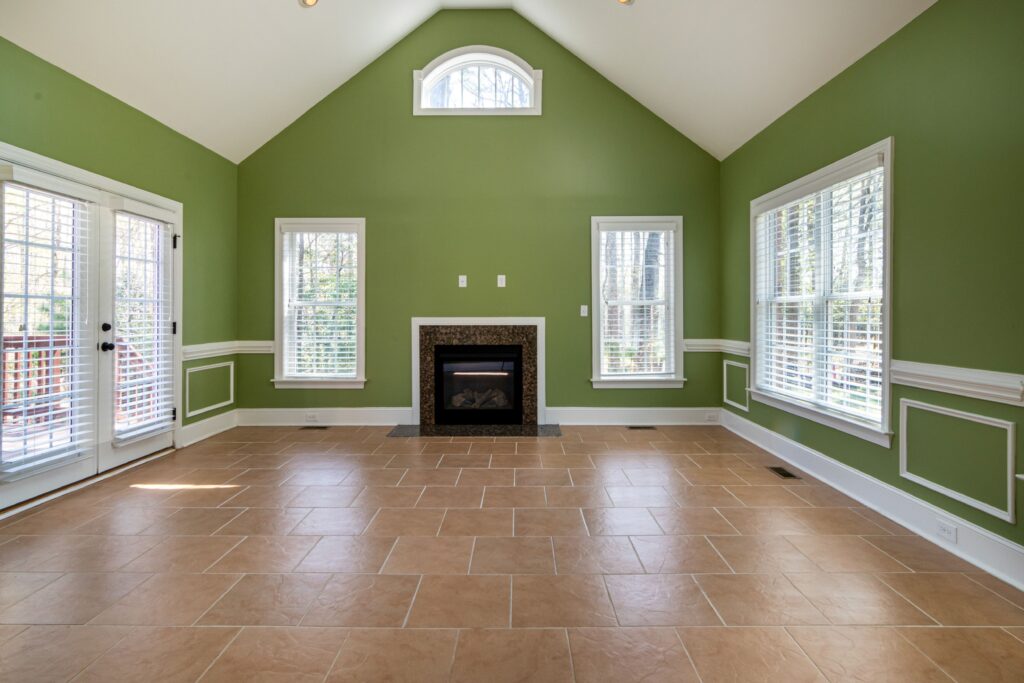
Learning how to choose the right window installation starts with looking past the window itself. Whether your home is traditional or modern, high-quality windows allow sunlight to filter in and frame outdoor views. They also help reduce your energy bills by insulating your house from outside temperatures. Once you’ve settled on a material and style, the real decision that shapes your project is how the window gets installed — and who does it. Here’s what actually differs between installation approaches, and how to vet the company doing the work.
A Quick Note on Materials and Styles
Vinyl, wood, and composite each bring different tradeoffs in cost and maintenance, and popular styles like Craftsman, Colonial, Victorian, Modern, and Contemporary each pair naturally with different frame and grid options. If you’re still deciding on material or style, see our full breakdown in How to Choose the Right Residential Windows for Your Home – this guide picks up from there, focused specifically on installation.
Full-Frame vs. Retrofit Installation
This is the installation decision that affects cost, timeline, and disruption the most. A full-frame installation removes the existing frame, sash, and trim down to the studs — the right call when a frame has damage, rot, or moisture problems. A retrofit (or insert) installation fits a new window into your existing frame instead, which is faster, less invasive, and more affordable, but only works if that frame is still structurally sound.
A good installer will inspect your existing frames and tell you honestly which method your home needs, rather than defaulting to whichever is easier to sell. If a company recommends full-frame replacement across the board without inspecting your specific windows, that’s worth a second opinion.
Egress Windows: A Safety Requirement
If you’re installing or replacing windows in a basement bedroom, egress requirements apply. Egress windows meet strict safety codes and must be accompanied by a window well and, where needed, a ladder to make emergency escape possible. If you’re planning to finish your basement into a livable space, installing code-compliant egress windows is a required first step — not an optional upgrade — and one that can meaningfully raise your home’s value on its own. Make sure whichever installer you choose has direct experience with egress window installation specifically, since it involves cutting into the foundation wall, not just swapping glass.
How to Vet an Installation Company
Once you know what installation method your home needs, the company doing the work matters just as much as the window itself. A few things worth checking before you sign anything:
- Read reviews and ask for referrals from people you trust, not just the testimonials on the company’s own site.
- Get a detailed, itemized quote that separates labor, materials, and any add-ons — vague, all-in pricing makes it hard to compare bids.
- Ask about the installation warranty specifically, separate from the manufacturer’s product warranty. A great window with a sloppy install can still leak or draft.
- Confirm they offer ENERGY STAR-certified options. ENERGY STAR is a voluntary program run jointly by the U.S. Environmental Protection Agency and the U.S. Department of Energy, so it’s a reliable, independently backed signal of efficiency rather than just a marketing term.
- Ask how they handle full-frame vs. retrofit decisions — their answer will tell you whether they’re actually assessing your home or applying a one-size-fits-all approach.
How to Choose the Right Window Installation Company
Murray Window Replacement can walk you through the right installation method for your home and give you a straightforward, itemized quote. Contact us or call (385) 786-6447 to schedule a consultation.