
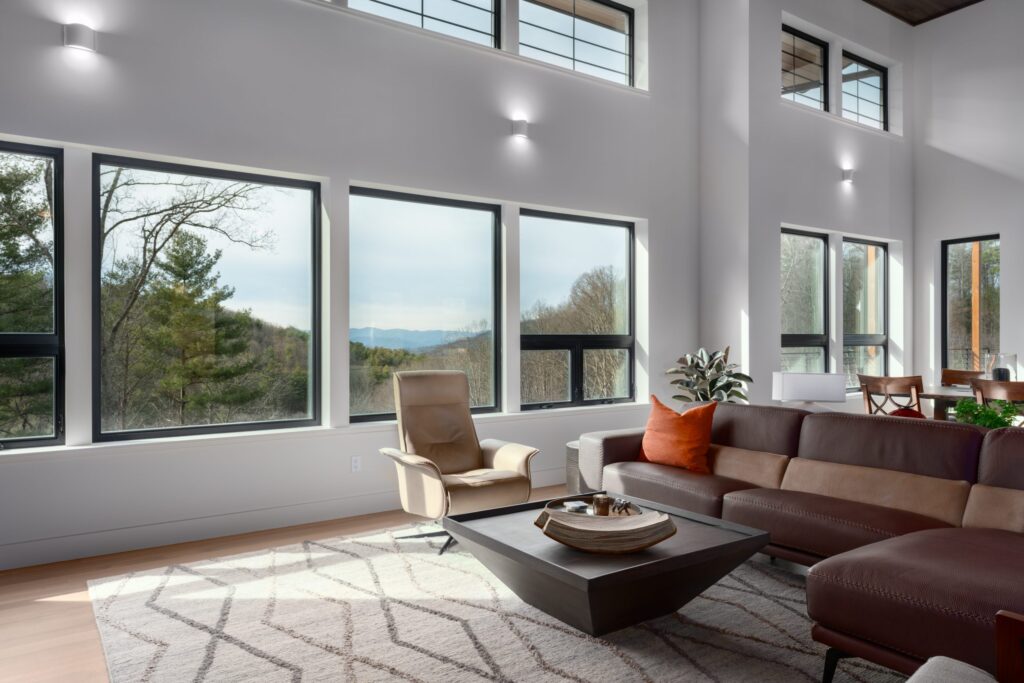
Understanding window glass safety features helps you make a more informed choice than just picking whatever’s cheapest or already installed. Windows are more than just openings in your home’s walls. They play an important role in regulating indoor temperature, lowering your energy bills, and — depending on the glass you choose — keeping your family safe. Here’s what actually matters when it comes to window glass and safety features specifically.
Low-E Glass
Choosing windows with Low-E (low-emissivity) glass is one of the simplest ways to maximize your energy savings. This coating reflects infrared radiation, keeping your home warmer in winter and cooler in summer by reflecting thermal radiation back into the room while stopping longwave infrared heat from escaping.
Low-E glass costs more upfront than standard uncoated glass, but it typically pays for itself over time through reduced energy bills.
Tempered Glass
Tempered glass, also known as toughened glass, is 4 to 5 times stronger than standard annealed glass. It’s commonly used for safety in both commercial and residential buildings because it breaks into small, granular pieces instead of the sharp shards regular glass produces, which significantly reduces injury risk if it’s ever broken.
If you want to confirm whether a window has tempered glass, check for a small etched logo or manufacturer’s mark in one of the corners — that’s the standard way to identify it, since it’s required by code on most tempered panels.
Egress Windows: A Safety Requirement
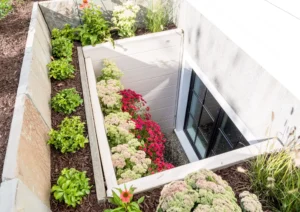 Egress windows are required in basements to comply with safety codes, giving occupants a way to escape safely in an emergency. Beyond the safety requirement, adding an egress window can raise your home’s value by transforming a dark, unfinished basement into space that can be used as a bedroom or other living area.
Double- and Triple-Pane Glazing
Double-pane glass with an argon gas fill between the panes helps maximize energy efficiency and may qualify you for certain utility rebates, depending on where you live. Triple-pane glass adds a third layer for even better insulation and noise reduction — see our triple-pane window options — which is worth considering for homes in particularly cold or noisy areas.
Choosing a Frame Material to Match
Whatever glass and safety features you choose, your frame material still matters. Vinyl offers an affordable, durable, energy-efficient option with built-in insulation. Wood provides a classic, traditional look that suits a wide range of architectural styles, though it requires more maintenance. Steel and clad-wood options — combining a wood interior with an aluminum or vinyl exterior — offer added durability for a long-lasting, classic look.
Ready to Prioritize Window Glass Safety Features?
Murray Window Replacement can help you choose the right glass type, safety features, and frame material for your home. Contact us or call (385) 786-6447 to schedule a consultation.