
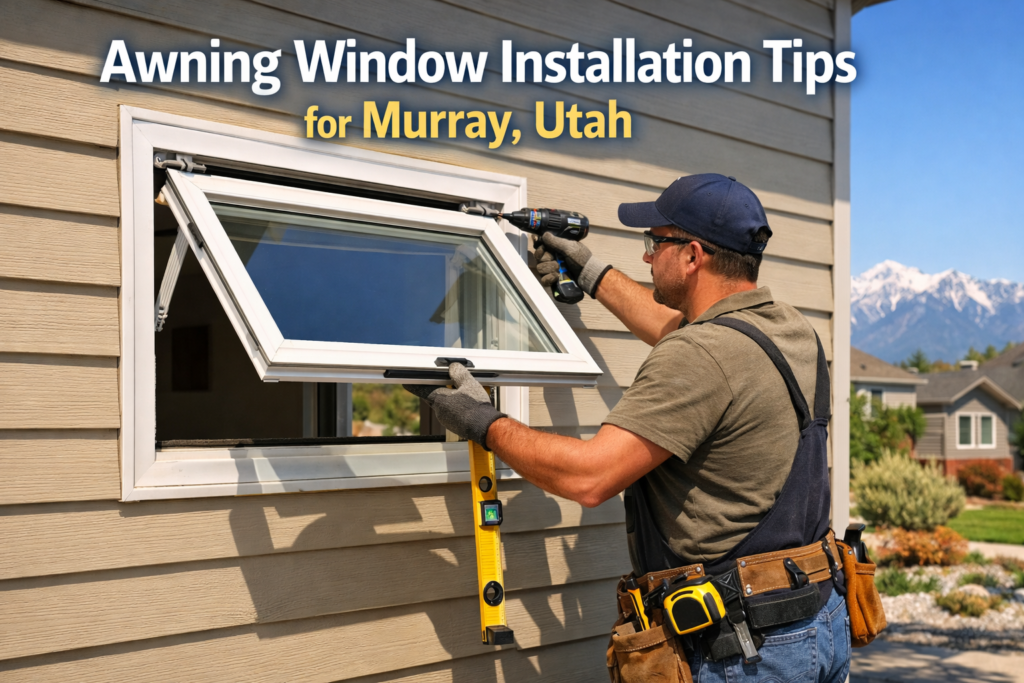
Awning Window Installation Tips for Murray, Utah
If you’re considering awning window installation in Murray, Utah, understanding the process helps ensure success. These windows hinge at the top and open outward, providing ventilation even during light rain. Professional work protects your home’s energy efficiency and prevents moisture problems.
Why Awning Windows Suit Murray’s Climate
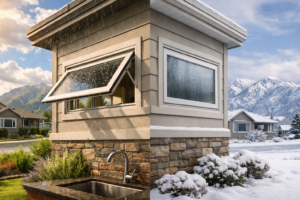
Murray experiences temperature swings from summer highs in the 90s to winter lows below freezing. This climate demands windows that perform reliably year-round.
The outward-opening design shields interiors from precipitation while allowing airflow. This proves especially useful during spring storms and summer showers common to the area.
These units work well in tight spaces like bathrooms and kitchens. Pair them with picture windows or double-hung windows to balance aesthetics and ventilation.
What to Consider Before Installation
Several factors affect cost and long-term performance.
Checking Your Home’s Structure
What we typically see during inspections reveals important details about structural readiness. Homes built before 1980 often have settling foundations or wall shifts. These issues need correction before new units go in.
Inspect wall framing for squareness, existing trim condition, and interior drywall stability around openings. Moisture damage commonly appears on north-facing walls where snow accumulates.
Ignoring structural problems leads to units that won’t operate correctly or seal effectively.
Selecting Materials
Vinyl windows resist extreme temperatures without warping or requiring paint. They handle 100-degree seasonal swings with minimal expansion.
Fiberglass offers greater durability but costs more upfront. Wood-clad provides traditional aesthetics but needs regular maintenance in Utah’s dry summers and wet springs.
After hundreds of projects, we’ve learned that technique matters more than material choice. Even premium products fail with poor flashing or inadequate sealing.
Professional Installation Steps
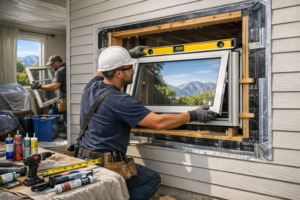
Understanding the process helps you prepare your home.
Measurement and Ordering
Installers measure each opening at three points to identify irregularities. Older homes rarely have perfectly square openings.
Measurements account for rough opening size, finished dimensions with trim, siding interference, and swing clearance. Energy-efficient options with Low-E coatings require factory customization, taking two to four weeks.
Site Preparation
Clear areas within three feet inside and out before work begins. Remove window treatments, furniture, wall decorations, and trim back exterior plants.
Crews use drop cloths, plastic sheeting, and tarps to protect your home. A common mistake we encounter is homeowners underestimating the dust created during removal.
Removing Old Units
Installers cut through caulk and paint seals before carefully removing trim and sashes. This prevents damage to surrounding drywall and exterior materials.
Deteriorated frames get cut into sections for extraction. Glass, vinyl, and aluminum components can be recycled rather than sent to landfills.
Preparing the Opening and Installing Flashing
The rough opening gets cleaned thoroughly, old caulk removed, damaged framing repaired, and the sill checked for drainage slope.
Flashing follows International Code Council standards and represents the most critical weatherproofing step. Self-adhering membrane goes down first, then sill, side, and head components create a complete water barrier.
In climates where wind-driven rain comes from multiple directions, this prevents the moisture intrusion we see in failed work.
Setting and Securing the Unit
The frame gets shimmed level and plumb at multiple points, then secured through pre-drilled holes without over-tightening. Too much pressure warps frames and prevents smooth operation.
Low-expansion foam insulates gaps without bowing the frame. The EPA provides guidance on techniques that prevent air leakage while maintaining function.
Final Sealing
High-quality polyurethane or silicone caulk seals exterior joints. The caulk must flex with temperature changes while repelling water.
Interior trim gets reinstalled or replaced, depending on condition. We check that units open and close smoothly with latches engaging correctly before considering work complete.
When Professional Help Is Necessary
Most homeowners benefit from professional services due to specific challenges.
Call experts for second-story work where falls cause serious injuries, openings with structural damage requiring carpentry skills, or projects needing flashing expertise. Murray requires permits for most replacement projects to ensure code compliance.
Poor flashing causes water damage that appears months or years later. According to the National Association of Home Builders, improper work ranks among the top sources of costly home repairs.
Working on ladders while handling large glass units creates significant fall risks. Professional crews carry insurance protecting homeowners from accident liability.
Getting Maximum Energy Efficiency
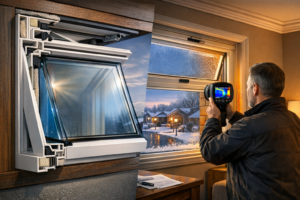
Work quality determines whether new units deliver expected energy savings.
Energy Ratings for Northern Climates
Murray falls in the northern climate zone, where heating costs dominate energy bills. Look for U-factor below 0.30, Solar Heat Gain Coefficient between 0.35-0.60, and air leakage under 0.3 cubic feet per minute.
Low-E coatings reflect winter heat inward while blocking summer solar heat. Argon fills between panes insulates better than air alone.
Understanding these ratings helps you compare products fairly and set realistic performance expectations.
Critical Sealing Points
The diagnostic process usually reveals air leakage as a major energy loss source. We use thermal imaging to identify these gaps before and after work.
Critical areas include spaces between frames and rough openings, all frame joints and corners, where operating sashes meet fixed frames, and around hardware penetrations.
Correct sealing reduces heating and cooling costs by 15-20 percent. That translates to noticeable utility bill savings during temperature extremes.
Maintaining New Units
Minimal maintenance extends lifespan and preserves performance.
Cleaning and Inspection
Clean twice yearly using mild soap and water. Spring and fall work best for this schedule.
Check weatherstripping for compression and damage, hardware for smooth function, weep holes for blockages, and caulk for cracks. Murray’s cottonwood pollen season requires extra cleaning to prevent buildup.
These simple tasks take minimal time but prevent expensive problems.
Hardware Care
Operators use crank mechanisms or push-bars that require occasional lubrication. Apply silicone spray to moving parts annually.
Locking mechanisms should engage smoothly without forcing. Difficult latching may indicate slight shifting as homes settle around new frames.
Problem Recognition
What we typically see during service calls could have been prevented with early attention. Small issues like minor air leaks or slight operation difficulties become major problems when ignored.
Contact professionals for condensation between panes, operation difficulties, drafts, water stains, glass damage, or hardware problems. Document issues with dated photos to support warranty claims.
Murray Specific Considerations

Local conditions create unique requirements.
Permits and Codes
Murray follows the International Building Code with local amendments. Most replacement projects need permits when changing opening sizes or structural elements.
City inspections verify flashing, weatherproofing, energy compliance, framing integrity, and safety glass requirements. Working with established local contractors ensures familiarity with these expectations.
Permit costs typically run $50-150, depending on project scope.
Best Installation Seasons
Late spring through early fall offers ideal conditions with dry weather, moderate temperatures, and flexible contractor scheduling.
Winter work faces challenges from cold, affecting caulk curing and creating safety hazards. Summer heat above 90 degrees causes material expansion issues, making early morning starts preferable.
Understanding seasonal constraints helps with project planning.
Coordinating Related Projects
Many homeowners coordinate awning window work with related improvements. Consider pairing with door replacement or door installation for complete home sealing.
Siding replacement on walls receiving new units makes sense since contractors already have scaffolding in place. Insulation upgrades or HVAC improvements complement projects well.
Coordinated work reduces overall costs through combined visits and ensures consistent weatherproofing details.
Cost Factors and Value
Understanding what influences pricing helps you budget appropriately.
Price Influences
Size and quantity, frame material choices, existing opening condition, accessibility, permit fees, and trim work all impact total costs. Older homes often need more structural preparation than new construction.
Hidden issues like rot or termite damage sometimes appear during removal. Reputable contractors account for these possibilities in estimates.
Remodeling Magazine’s Cost vs. Value Report shows replacements recoup 68-78% of cost in home value at resale. Energy savings improve long-term returns beyond initial investment recovery.
Beyond Resale Value
New units immediately lower utility bills through better insulation and air sealing. They reduce outside noise significantly, improve curb appeal, and increase comfort by eliminating drafts.
Long-term benefits include reduced maintenance costs compared to aging, inefficient units. Modern products also improve your home’s marketability, as buyers recognize the value of recent upgrades.
Selecting a Qualified Installer
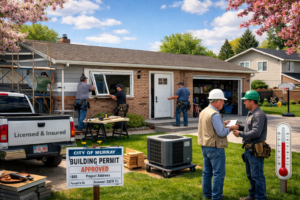
Contractor choice significantly affects success and long-term satisfaction.
Ask about local code familiarity and permit handling. Request recent references and speak with previous customers about communication quality, workmanship, cleanup, and problem-solving abilities.
Critical questions include how they handle unexpected structural damage, their specific weatherproofing methods, who manages permits and inspections, what their warranty covers beyond manufacturer terms, and how they protect your home during work. Clear answers indicate experience while vague responses suggest inexperience.
Manufacturers warranty products for 10-20 years on glass seals, longer on frames and hardware. Work warranties should cover craftsmanship for at least one year. Read all terms carefully before signing contracts.
Conclusion
Successful projects in Murray require careful planning, quality materials, and professional expertise. Correct technique protects your home and delivers expected energy efficiency and comfort for decades.
Choosing experienced local professionals prevents the costly moisture damage and energy loss that plague poorly executed work.
Call Murray Window Replacement at (385)786-6447 for an assessment of your specific needs. We’ll evaluate your home’s unique conditions, explain available options, and provide detailed proposals before starting any work.
Frequently Asked Questions
How long does awning window installation take?
Single-unit work typically completes in 2-4 hours, depending on opening conditions and accessibility. Multiple-unit projects may span several days, though experienced crews typically finish 4-6 straightforward replacements daily. Complex jobs requiring structural repairs or opening modifications take longer, and weather delays can extend winter project timelines.
Can awning windows be installed in any room?
These units work well in most locations but have some limitations based on building codes and physical constraints. They excel in bathrooms, kitchens, and basements where ventilation matters most, though codes restrict their use as egress options in bedrooms unless they meet minimum opening size requirements. The outward swing also requires exterior clearance, so avoid placement where they’d block walkways or interfere with outdoor fixtures.
Do awning windows require special maintenance in Utah’s climate?
Utah’s dry climate actually reduces maintenance requirements compared to humid regions where mold and rot present constant challenges. Clean twice yearly, lubricate hardware annually with silicone spray, and clear weep holes after dust storms or heavy pollen seasons. Check weatherstripping more frequently if you live in areas with extreme temperature swings, though winter snow loads rarely affect units since they close tightly against frames.
How do I know if my existing window openings need repairs before installation?
Professional inspection identifies hidden problems, but you can spot obvious issues yourself. Look for soft or discolored wood indicating rot, water stains on surfaces, daylight visible around closed units, or difficulty operating existing frames. Peeling exterior paint often signals moisture intrusion, and any structural settling cracks or gaps wider than 1/4 inch warrant professional evaluation before proceeding.
What’s the difference between awning windows and casement windows?
Both styles hinge and swing outward for ventilation, but casement windows hinge on the side, while awning styles hinge at the top. Top-hinged units can stay open during rain without water entry, making them ideal for weather protection and year-round ventilation. Side-hinged options typically offer larger unobstructed openings and better airflow when fully opened, so many homes use both styles in different locations based on specific functional needs.
Will new awning windows reduce outside noise in my Murray home?
Quality units with correct techniques significantly reduce noise transmission compared to old, loose-fitting frames. Double-pane products with argon gas fills block more sound than single-pane options, and tight weather sealing eliminates air gaps that allow noise through. Homes near busy streets like State Street or 5900 South notice the most dramatic improvement in interior quiet, with some homeowners reporting 30-40% noise reduction after professional replacement.