
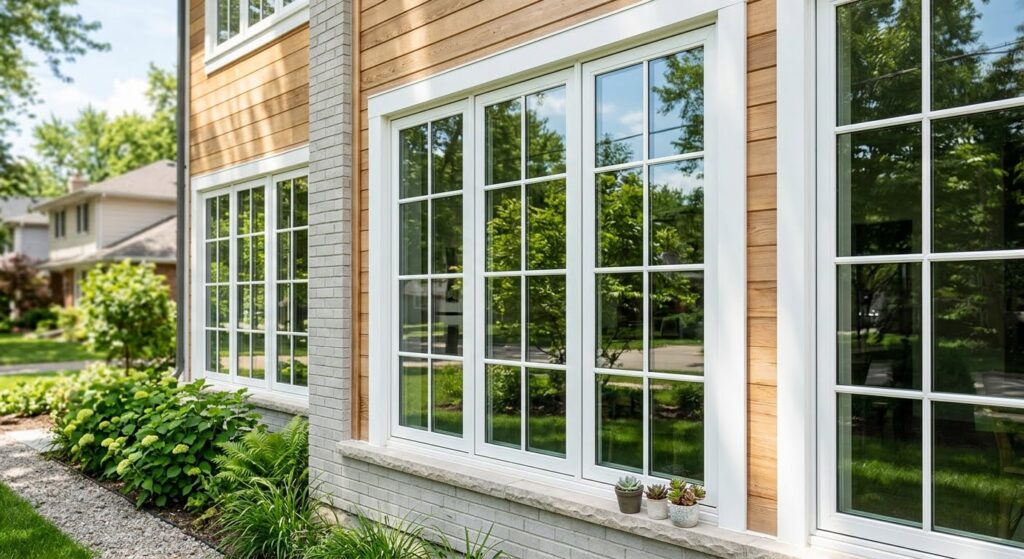
Replacing windows in older homes brings real benefits, from lower energy bills to easier operation, but it also comes with a few extra considerations. Many Murray neighborhoods have homes built decades ago, and those homes often have lead-based paint, non-standard window sizes, and architectural details worth preserving. If you’re shopping for replacement windows for older homes, here’s what to plan for.
Lead Paint and Window Replacement
If your home was built before 1978, there’s a real chance it contains lead-based paint, and windows are one of the most common places to find it. Old window frames, sashes, and trim rub together and get disturbed during replacement, which can release lead dust.
Federal rules address this directly. Under the EPA’s Renovation, Repair and Painting (RRP) Rule, contractors paid to work in pre-1978 homes must be certified and follow lead-safe work practices, and window replacement is always covered by the rule no matter how small the job.
What Lead-Safe Work Looks Like
When a certified contractor replaces windows in a pre-1978 home, you should expect:
- An EPA lead hazard pamphlet before work begins
- Plastic sheeting and containment around each work area, inside and out
- Methods that minimize dust, with no open-flame burning or high-speed sanding of painted surfaces
- Careful cleanup and verification that the work area is clean before the crew leaves
Before you hire anyone, ask whether the company is an EPA Lead-Safe Certified Firm. It’s one of the most important questions you can ask when replacing windows in older homes.
Non-Standard Sizes and Out-of-Square Openings
Older homes rarely have standard window sizes. Openings may also have shifted over decades of settling, leaving them slightly out of square. That’s why replacement windows for older homes are almost always made to order based on careful measurements of each opening.
Full-Frame vs. Insert Replacement in Older Homes
Insert replacement keeps the existing frame and trim, which can preserve original woodwork. Full-frame window replacement removes the old frame entirely, letting the installer repair rot, insulate gaps, and, in homes with old double-hung windows, fill the empty sash weight pockets that often let cold air into the walls. The right choice depends on the condition of your frames and how much original trim you want to keep.
Preserving Your Home’s Character
New windows don’t have to make an older home look modern. Matching the original window style, proportions, and grid pattern helps your home keep its character. Many older homes originally had traditional double-hung windows, and modern versions with the right grilles and frame profile can deliver the same look with far better performance.
If your home is in a historic district or HOA, check whether there are guidelines for window style, material, or color before you order.
Making the Right Choice for Replacing Windows in Older Homes
Replacing windows in older homes works best when you plan for lead safety, accurate custom sizing, the right installation method, and a style that fits the house. With those details handled, you get modern comfort and efficiency without losing what makes your home special.
Have an older home with windows that need replacing? Call Murray Window Replacement at (385) 786-6447 or request a window replacement estimate to talk through your project.